
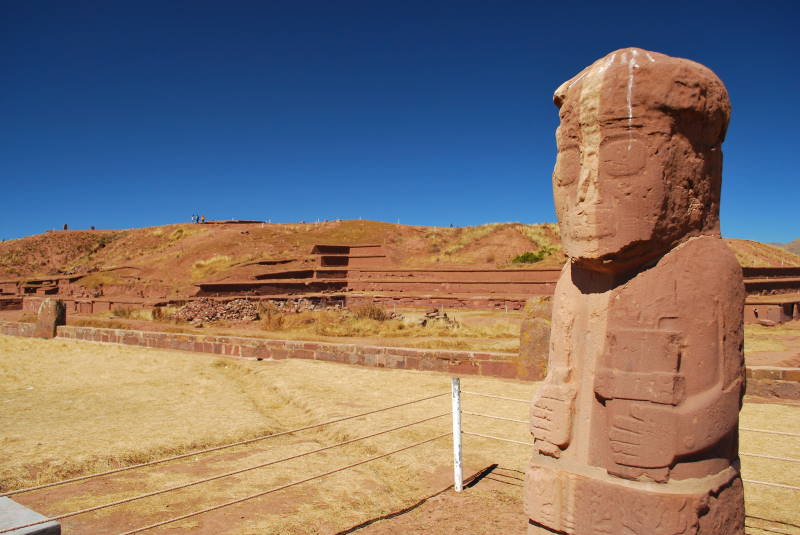
Ancient stone monuments at Tiwanaku, one of South America’s most important archaeological sites.
Introduction
The Tiwanaku Stone Sculptures are among the most remarkable artistic achievements of ancient South America. Long before the rise of the Inca Empire, another remarkable civilization flourished in the Andes Mountains. Near the southern shores of Lake Titicaca, the people of Tiwanaku established one of the most influential cultural centers in pre-Columbian South America.
Their achievements in architecture, engineering, agriculture, and art continue to inspire historians, archaeologists, travelers, and art enthusiasts today.
The inhabitants of Tiwanaku established a highly significant cultural center in pre-Columbian South America. To this day, their amazing works in architecture, engineering, farming, and art continue to fascinate historians, archaeologists, travelers, and art enthusiasts today.
Among their most remarkable achievements are the Tiwanaku Stone Sculptures. Carved from massive blocks of stone with pinpoint accuracy, these monuments still stand tall after over a thousand years, showing just how advanced their society was. Sadly, despite all their coolness and importance, many observers have heard little about them outside of specialized scholarly work.
Crucially, the function of these sculptures extends well beyond their antique appearance. They show off a whole tradition that blended exceptional craftsmanship with religious signs and cultural pride. When we check out these statues today, not only are we learning about an awesome old civilization, but we’re also connecting with its deep roots in South American history.
A Personal Reflection
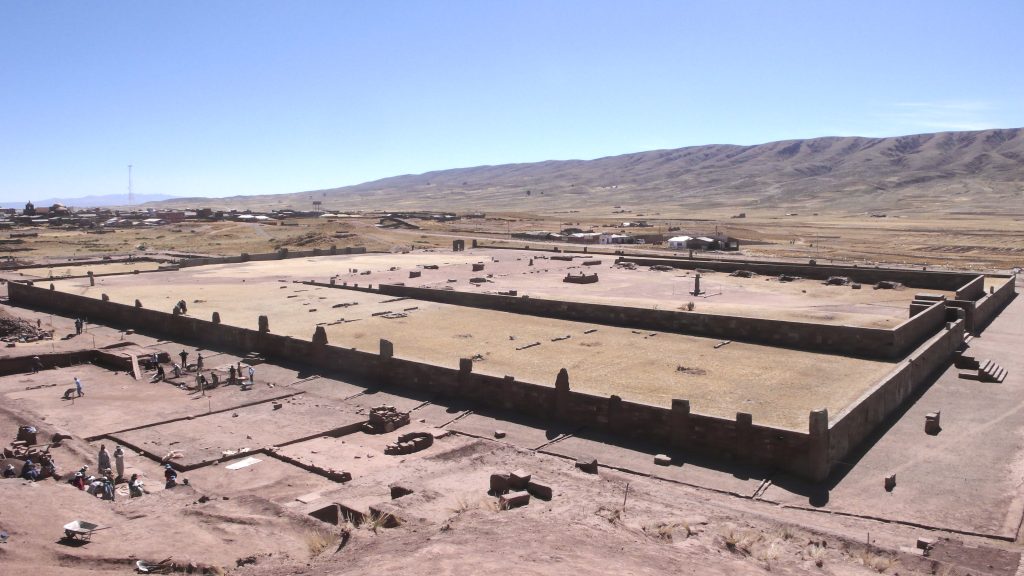
Due to my interest in sculpture and world art, Tiwanaku is one of the most fascinating ancient sites I have encountered. What captures my attention is not only the size of the monuments but also the mystery surrounding them. More than a thousand years after they were created, these stone sculptures continue to raise questions about the people who carved them, the beliefs they held, and the stories they intended to preserve.
For me, Tiwanaku demonstrates how art can survive long after a civilization has disappeared. While kingdoms rise and fall, artistic creations often remain, allowing future generations to glimpse the values, spirituality, and identity of those who came before them.
As an art enthusiast, I am continually amazed by how these sculptures have survived for centuries, preserving the creativity and beliefs of a civilization that might otherwise have been forgotten.
The Rise of the Tiwanaku Civilization
The Tiwanaku civilization rose around Lake Titicaca in present-day western Bolivia. Over centuries, it became a huge center for politics, religion, and culture, greatly influencing the surrounding Andean regions.
During its peak from about 500 to 1000 C.E., Tiwanaku boasted amazing religious sites, big buildings, and a growing population thanks to clever farming techniques. Its sphere of influence expanded into areas of modern Peru, Chile, and Argentina, solidifying its position as a key power.
Clearly, religion was of paramount importance to the people there. This shows up in the tons of ceremonial structures, sacred spots, and huge carvings scattered throughout the site. They seemed really focused on spirituality, cosmic harmony, and how humans fit with nature.
In this atmosphere, Tiwanaku craftsmen carved some of ancient America’s most awe-inspiring stone figures.
The Artistic Mastery Behind the Tiwanaku Stone Sculptures
One amazing thing about Tiwanaku sculpture is how skilled the artists were. Using tough stones like andesite and sandstone, they made monuments with sharp lines and precise geometric shapes full of intricate details.
Their tools were way simpler than what we use today. Still, the craftsmanship is mind-blowing and keeps drawing admiration from both experts and tourists.
Lots of the sculptures have perfectly even proportions and symmetrical designs. People in the carvings are usually shown facing front, which looks powerful and important. Plus, there are lots of other symbols – animals, patterns, and ritual items.
Beyond being just pretty, these designs probably showed what the Tiwanaku believed in, who was in charge, and what their culture valued most.
The Bennett Monolith: A Giant of Ancient Bolivia
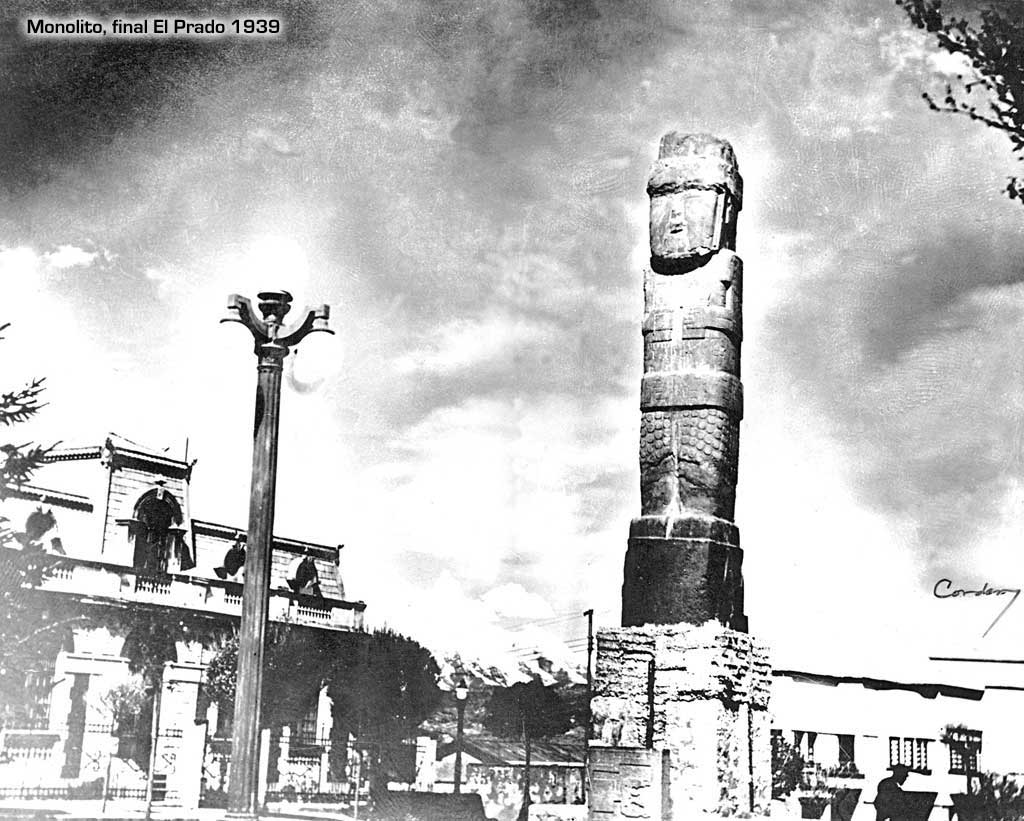
One of the most renowned sculptures linked to Tiwanaku is the Bennett Monolith, or Pachamama Monolith. At over seven meters tall, it’s one of the biggest stone sculptures found there.
Made from a single chunk of sandstone, this giant shows a person standing with ceremonial objects in each hand. It’s covered with neat carvings — patterns, symbols, and outfits for ceremonies.
Given its elaborate design, experts think the monolith might represent a religious leader, a god, or some super important person. Although there’s still debate on what it means exactly, everyone pretty much agrees it was big for ceremonies.
Just how huge the monolith is shows off how skilled Tiwanaku artists were. Moving, cutting, and putting up something so massive needed lots of careful planning, effort, and know-how.
Today, the Bennett Monolith is regarded as one of the most important examples of Tiwanaku Stone Sculptures and a masterpiece of ancient Bolivian art.
Nowadays, the monument is a key treasure in Bolivia and strongly represents the nation’s ancient art and history.
From an artistic perspective, what makes the Bennett Monolith particularly impressive is the level of planning involved in its creation. Every line, symbol, and proportion appears carefully considered. Even after centuries of exposure to the elements, the monument still commands attention and invites viewers to wonder about the meaning behind its carvings.
The Ponce Monolith: Symbolism in Stone
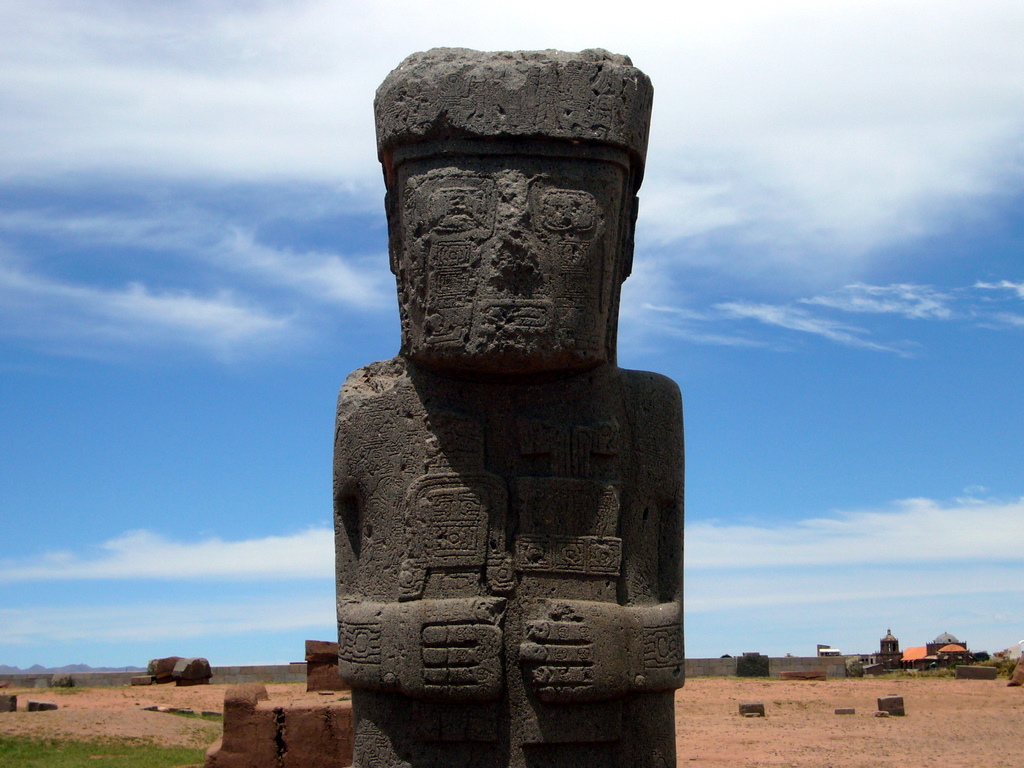
The Ponce Monolith is another fantastic piece of Tiwanaku sculpture, not as big as the Bennett Monolith but still amazing for its craftsmanship and intricate symbols.
This sculpture shows a standing figure decked out in beautifully detailed clothes and decorations. It’s covered with lots of ornate designs that show just how skilled the Tiwanaku people were.
Experts think the figure could be a priest, ruler, or someone important in their ceremonies. All the detailed carvings teach us about their fashion, rituals, and symbols.
Of particular interest? The extreme detail on the Ponce Monolith. Each carving looks purposeful, blending art and spiritual meaning in a really compelling way.
Numerous visitors find that this ancient sculpture communicates complex ideas, lifting them beyond everyday experiences into a more profound realm.The Ponce Monolith further demonstrates why the Tiwanaku Stone Sculptures remain central to discussions of pre-Columbian art in South America.
The Fraile Monolith and Sacred Representation
The Fraile Monolith is another key sculpture in the Tiwanaku complex. It’s simpler compared to some of the bigger monuments but remains highly significant.
This standing figure seems to embody traits linked to ceremonial or religious power. Experts think it might’ve been used in rituals at the site’s spiritual hub.
Less fancy than other Tiwanaku structures, the monolith shows how consistent their art style was. It has a formal stance, a geometric design, and symbols fitting right in with what you see all over Tiwanaku.
This monument suggests that sculptures had roles beyond just being pretty for looks—they were key parts of religion too.
The Meaning Behind the Monuments
The real meaning behind a lot of Tiwanaku sculptures stays mysterious. Unlike other ancient groups, Tiwanaku didn’t leave much in the way of written records, making it super hard to figure out what their symbols mean.
Because of this, archaeologists use what they can – visuals, comparisons, and context clues – to understand these artworks.
There are several common ideas in Tiwanaku art, like spirituality, cosmic order, growing stuff, leadership, and interactions with the divine. You see things like staffs, objects for ceremonies, and religious images all the time, suggesting these pieces were used in rituals.
Experts aren’t sure if these monuments acted as middlemen between humans and gods, honored key leaders, or were just statements of power.
Whatever their exact roles, it’s clear these sculptures played a major part in the culture and beliefs of Tiwanaku.
Engineering and Transportation Challenges
One of the most remarkable aspects about Tiwanaku sculpture is how they moved and placed those huge stone blocks. The thing is, many of the stone blocks came from quarries pretty far from the ceremonial center. Moving these massive materials over rough terrain, without any modern machinery, must’ve been a colossal task requiring serious planning and group effort.
Experts keep digging into the specific methods Tiwanaku builders used. While we’re not entirely sure what those were, the clues point to large teams of workers, cleverly set-up transportation, and some pretty savvy engineering knowledge.
In the end, pulling off the move and setup of those big stones shows that Tiwanaku had organizational skills on par with lots of other amazing ancient societies.
Tiwanaku’s Influence on Andean Art
The artistic traditions from Tiwanaku lived on even after the civilization declined. Later cultures in the Andes were clearly influenced by Tiwanaku’s design and aesthetic style. You can see this in certain artistic elements found in regional traditions after Tiwanaku faded. Today, Tiwanaku still holds great cultural importance for many Bolivians. It shows a highly advanced Indigenous civilization that left a big mark on South American history.
Artists, historians, and culture lovers can learn a lot from studying Tiwanaku. The site teaches us about how creativity, spirituality, and identity have stayed connected over time.
Preserving Bolivia’s Ancient Masterpieces
Preserving Tiwanaku’s sculptures is fraught with difficulties. Weather, pollution, tourist touch, and aging take their toll on these delicate relics.
Conservationists step up to shield the monuments. They aim to ensure that future generations can appreciate and learn from them as well. Researchers, state authorities, and locals chip in to save this special heritage.
But preserving these stones isn’t just about stopping erosion. It’s also key for keeping cultural memories and identities alive.
Each stone, carvings, and ritual site tell us more about Bolivia’s amazing art history.
Conclusion
The ancient stone sculptures of Tiwanaku show some of the greatest artistic creations in South American history. They prove just how advanced this society was more than a thousand years ago, through their big size, precise craft, and deep symbols.
Think of the towering Bennett Monolith, the detailed Ponce Monolith, and the spiritual Fraile Monolith; these works still amaze and spark wonder today. Art connected spirituality, culture, and community memory for the Tiwanaku people.
Even though people might not know about Tiwanaku as much as other ancient societies, it played a key role in artistic innovation back then. These sculptures show that humans have valued creativity for ages.
As someone who enjoys exploring art from different cultures, I find Tiwanaku especially compelling because its sculptures remind us that artistic excellence is not limited to the civilizations most commonly discussed in history books. These monuments deserve greater recognition as masterpieces of human creativity and cultural expression.
Saving and studying these amazing relics honors both the brilliant artists of Tiwanaku and Bolivia’s rich past. The Tiwanaku Stone Sculptures remain among the greatest artistic achievements of the ancient Andes. – See also the evolution of Bolivian art.
Image Credits: Selected images sourced from Wikimedia Commons under Public Domain and Creative Commons licenses. Individual image credits provided where required.